Skip to content

Most people who call us about thread lifts say creams stopped doing anything noticeable, their jawline softened a little more this year than last, and surgery feels like a much bigger step than the problem calls for. Threads sit in that middle space, which is exactly why the candidacy question comes up so often.
The honest answer is that threads work beautifully for some faces and underdeliver for others. Here is how to tell which group you fall into before you ever sit down with a provider.
How do I know if I’m a good candidate for PDO threads?
One useful self-check is to lift the skin just in front of your ear gently upward and watch how your jawline responds. If it tightens and looks natural, threads likely have enough support to work with, though a provider confirms that in person.
What Makes Someone a Good Candidate for PDO Threads?
Strong candidates usually share four traits: mild to moderate skin laxity, skin with some remaining spring, expectations set to a subtle result, and no active medical reasons to postpone treatment.
Polydioxanone threads are placed beneath the skin using a fine needle or cannula. They lift tissue slightly on the spot, then dissolve gradually over the following months while encouraging collagen stimulation in the surrounding tissue. That second effect is why the result tends to refine itself for a while after the initial lift settles.
Candidacy at Kim Bell MedSpa is assessed rather than self-diagnosed. Everything below is meant to help you arrive at a consultation with sharper questions, not to hand you a verdict.
The Amount of Sagging Is the Biggest Factor
There is a rough self-check you can try at home. Place two fingers just in front of your ear and lift the skin gently upward and back. If the jawline tightens and the result looks natural, threads have something to hold onto. If the skin falls back the moment you let go, or the lift you need is dramatic, a non-surgical face lift will likely fall short of what you are hoping for.
Candidacy can also differ by area on the same face. The jowls may respond well while the neck needs a different approach entirely, and midface hollowing often reflects lost volume rather than loose skin. Being told “yes here, not there” is a normal outcome, not a rejection.
Check Your Skin Quality and Elasticity
Most of our thread patients land somewhere between their mid-thirties and mid-fifties, though that is a pattern rather than a rule. We’re really looking at elasticity, collagen reserve, sun exposure history, and smoking history.
A few skin characteristics change the recommendation in different directions:
- Thin, crepey skin may show thread placement or dimpling more easily, so technique and thread selection shift accordingly.
- Heavy or dense tissue can outweigh what threads can support over time.
- Significant volume loss usually calls for restoring structure first, since lifting deflated skin rarely produces the look people want.
Why the Non-Surgical Trade-Off Has to Fit Your Expectations
Thread lifting is minimally invasive. The visible change is subtle at first and continues improving as collagen responds over the following weeks. Results are also temporary, generally lasting a year or so depending on the individual, so anyone wanting a single permanent correction is better served by a surgical consultation.
There is also real, if brief, social downtime. Swelling, tenderness, tightness when you smile, and occasional puckering are all common in the first days. Most patients feel presentable within a week, though that varies.
Who Should Wait or Look at a Different Option?
Some patients are better candidates later, and a few are better served by something else entirely.
Reasons to postpone treatment include:
- Pregnancy or nursing
- Active infection, breakout, or inflammation in the treatment area
- Certain autoimmune conditions affecting healing
- Bleeding disorders or current use of blood thinners
- Recent or upcoming dental work, facial procedures, or illness
Redirection happens too. If your main concern is texture, tone, or fine lines rather than looseness, resurfacing or injectables usually address that more directly. Sending someone toward the treatment that actually solves their concern is part of the job.
What Happens at a Candidacy Consultation?
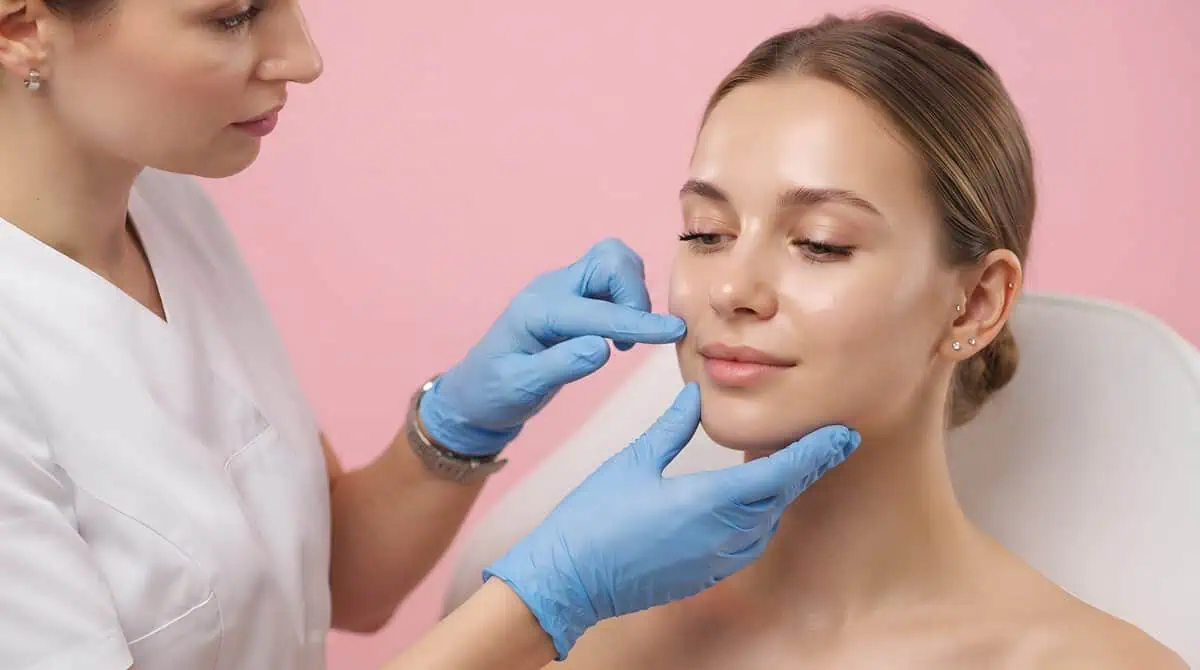
A consultation answers the candidacy for PDO threads in Kingston, TN question properly, because the assessment relies on things only a provider can evaluate in person. Your provider will examine skin laxity area by area, assess tissue thickness and facial structure, and review your medical history and current medications.
Two outcomes surprise people. The first is a partial yes, where threads suit one region and a different treatment suits another. The second is a recommendation to sequence or combine treatments, often addressing volume or skin quality before lifting.
Common Questions About PDO Thread Candidacy
Am I too young or too old for threads?
Age alone rarely decides candidacy. Younger patients with minimal laxity often see little benefit, and older patients with advanced sagging may need more than threads can provide.
Will threads work if I have had filler or surgery before?
Often yes, though timing and placement need planning. Bring your treatment history to your consultation.
How do I know if I need threads or something stronger?
The lift test is a useful starting point, but an in-person assessment gives you a real answer.
Find Out Where Your Skin Actually Stands
Reading about candidacy only takes you so far, since the deciding details are best seen and felt for yourself. If the jawline or cheeks have started shifting and surgery feels premature, a conversation with our team at Kim Bell MedSpa is the practical next step. Discover If PDO Threads Are Right for You! Schedule a consultation with us in Kingston, TN, and we will walk through your options honestly, including those that aren’t threads.